All About Windbreaks
Mother Nature Bats Last. But you can slow her down.

The Substack newsletter “Cattle Culture” popped up in my feed last week. Yes, it is mostly dealing with those big furry, protein-filled creatures, but this particular edition hit home for me: “Learn to Love the Wind”.
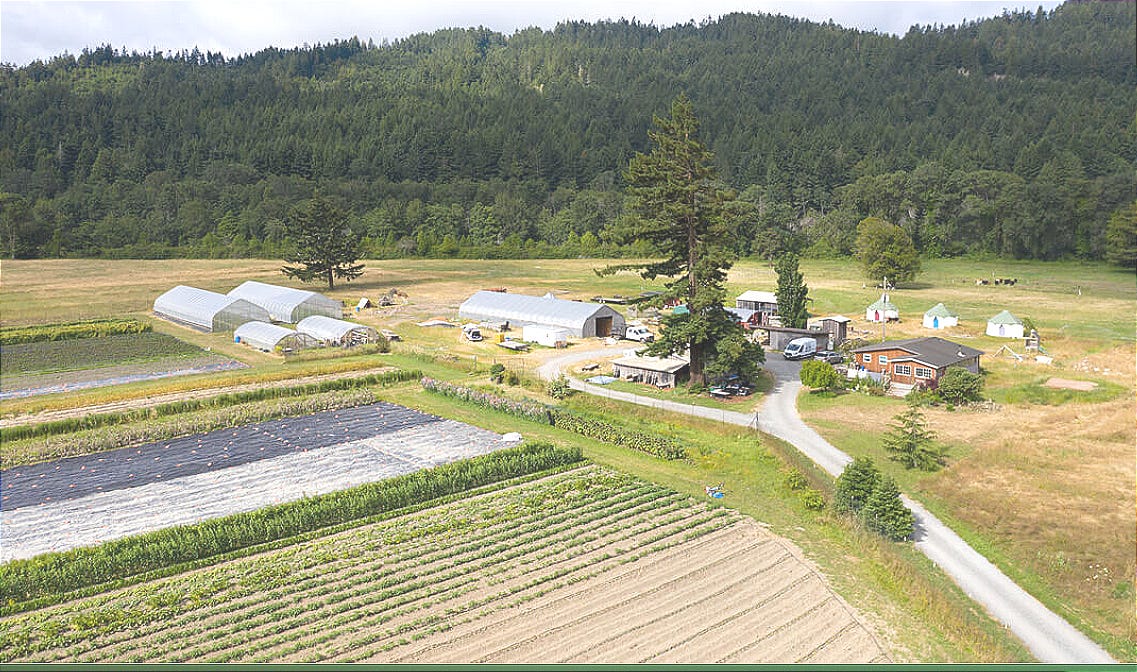
The newsletter is a by-product of Shakefork Community Farm, in Humboldt County, California, in the northwest portion of the state. Established in 2008, the farm’s proprietors, Melanie and Kevin Cunningham, manage more than livestock. They specialize in growing and selling 5 acres of mixed vegetables and a variety of livestock, including pigs, sheep, broilers, and egg layers through their farmer’s market booths in the region, as well as running a CSA, a Community Supported Agriculture service.
The wind, however, plays an important part in their daily life. They write:
“The wind sucks. It is my least favorite meteorological phenomena. It is irritating and generally makes one feel off balance. I always get agitated when the wind picks up. Sometimes I sense it before it starts. I might be wondering why I’m being snappy and short. Then once the wind starts to blow I can get downright mean. I know the pattern and yet it still catches me off guard sometimes.
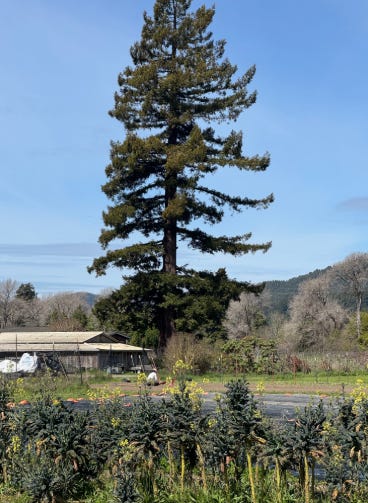
The spring wind marks the change from spring into summer. It is a more constant nagging wind that picks up every afternoon and blows for months. Early in the spring it can be nice because it dries out the soil but it quickly becomes too much as it dries everything out. This wind literally shapes our valley. All of the trees bend away from this constant force. Luckily we have a sturdy riparian zone that deflects some of the wind but it still becomes menacing.
The second type of wind is the winter storm wind. This wind blows fiercely right before a big winter storm. It comes from the south and is often warm and moist. We call this the pineapple express because it is warm wet air coming up from the South Pacific Ocean. This wind rattles the window panes and can literally blow roofs off. It can snap off the tree branches that grew to accommodate the spring wind. It picks up to a frenzy until it finally starts to rain. It is the warning sign that a big wet air mass is on its way. It is often a relief when it finally starts to rain.
The wind forces me to be adaptable. It challenges me to be resilient. Otherwise I would just blow away.”
I feel your pain. Or, I should say, felt that pain. It’s probably true for anyone who owns acreage in an exposed location. In 1989, we found out about the power of the wind as soon as we moved to a 10-acre parcel in southeastern Sacramento County, an area noted for its wine grapes…and slightly rolling, barren hills of pasture land and winter wheat.
The house sat by itself: no landscaping, no shrubs, no trees. To a gardener: a bare canvas to work with!
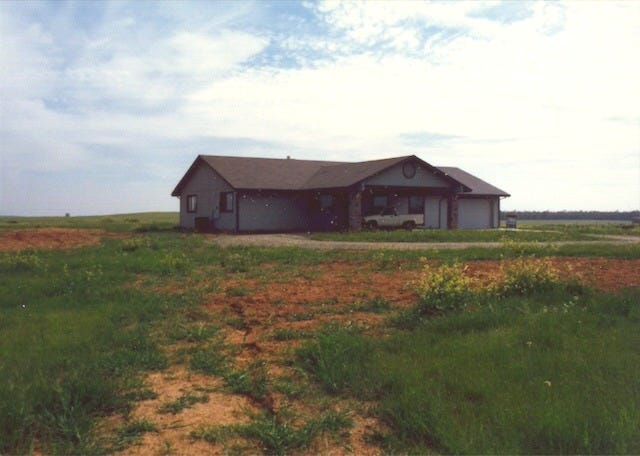
The strong Delta winds from April through September were consistent every afternoon from the west-southwest. In the winter, the rain literally blew sideways onto and into the house, driven by 40 mile an hour southeast gales. After that first winter, the south side of the house looked like it had been sandblasted. And, we discovered that the windows, doors, and frames on the south side were not of the highest quality. Water seeped in with every bad storm that first winter.
Can you stop the wind? Of course not. But you can slow it down and protect your structures, and your soil. The following spring, we constructed a covered walkway around the east and south perimeter of the house. That gave us more shade on the south side of the house (a relief on hot summer days) and also kept the rain from decimating the house.
Step two was to build a windbreak to protect the immediate area around the house, including what we designated (and fenced) as the immediate backyard, about 100 feet wide and deep.
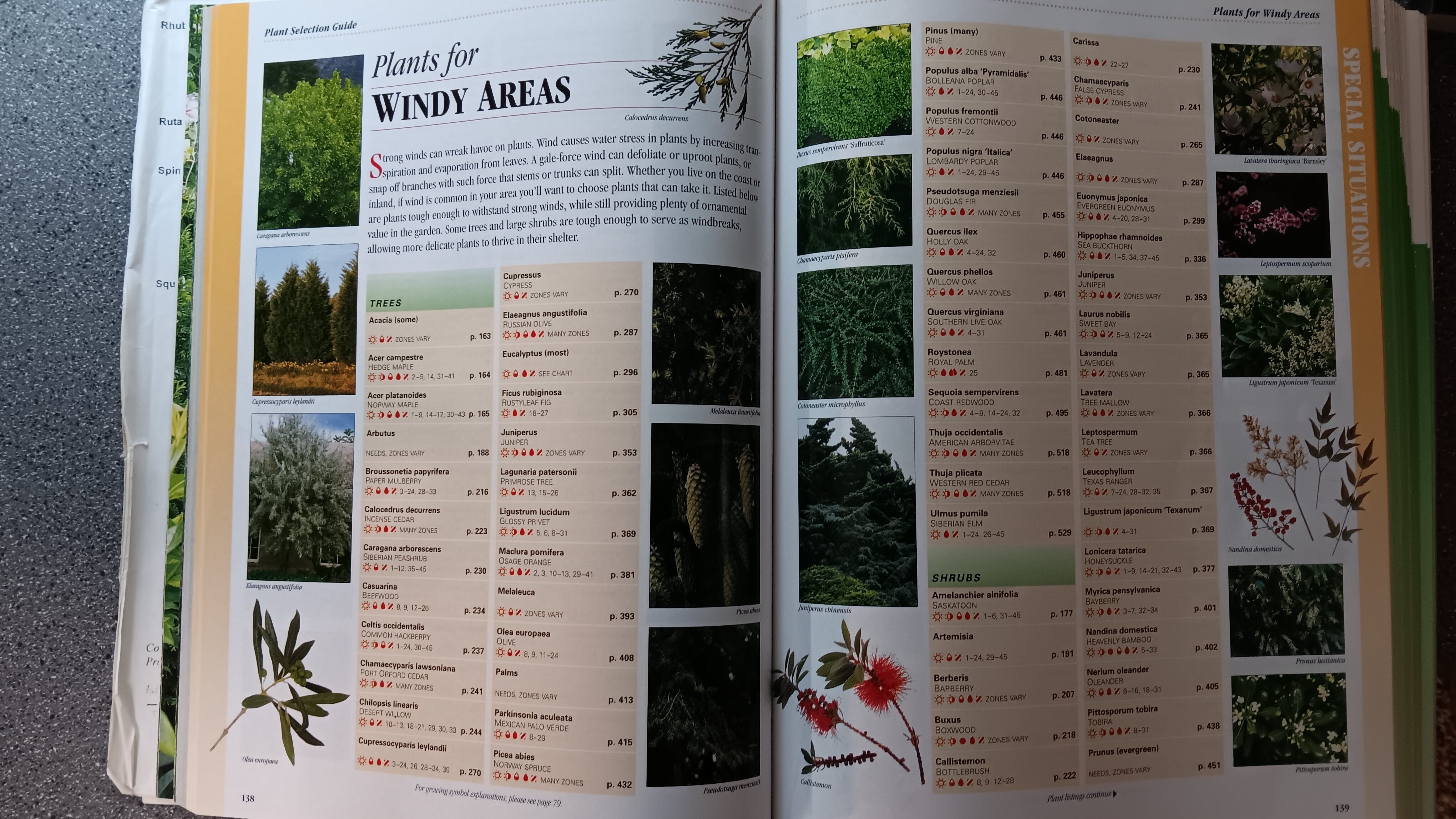
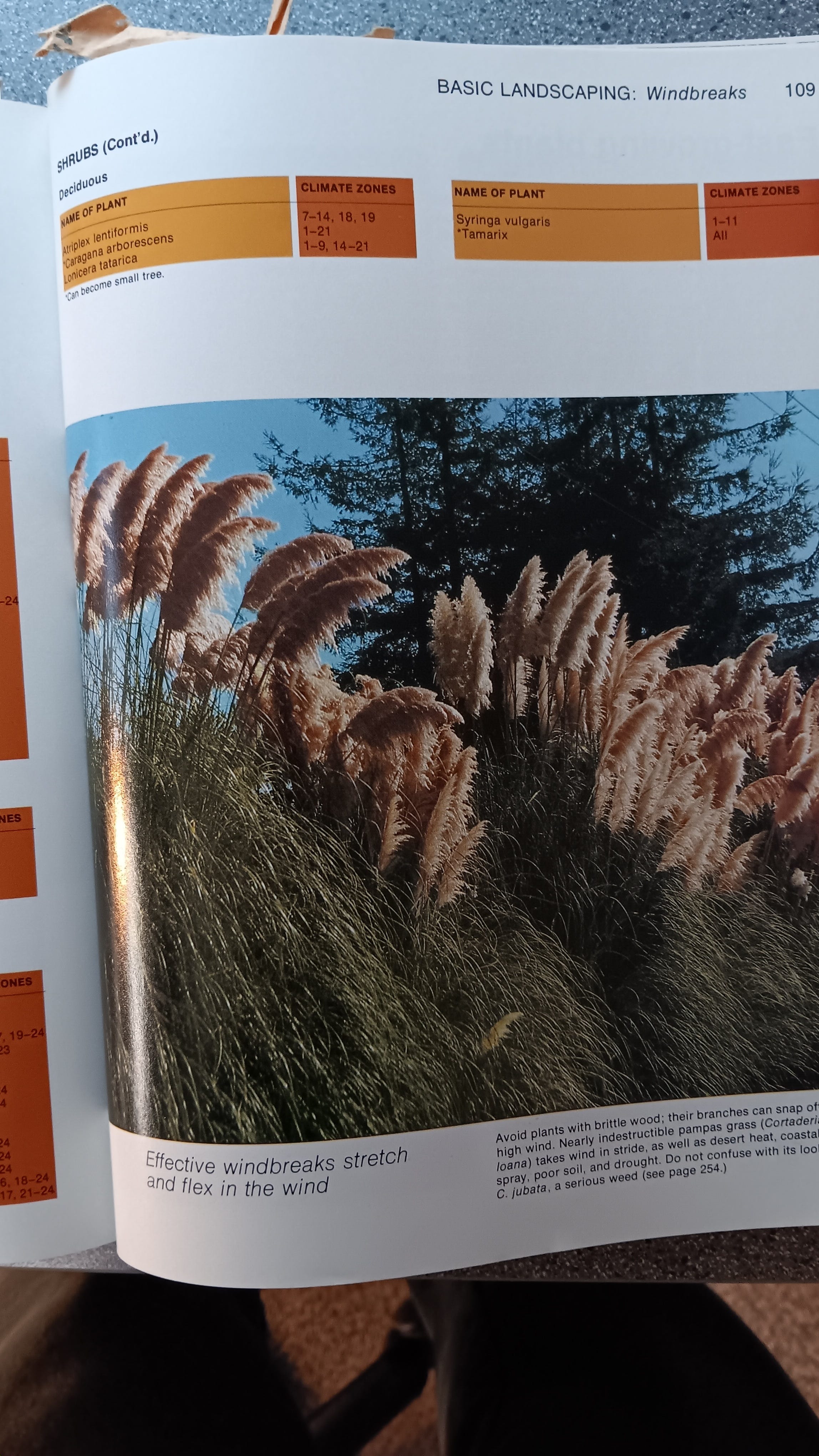
Doing the research on windbreaks in the early 1990’s meant referring to actual books and pamphlets, as well as trips to the library. Here’s what I found:
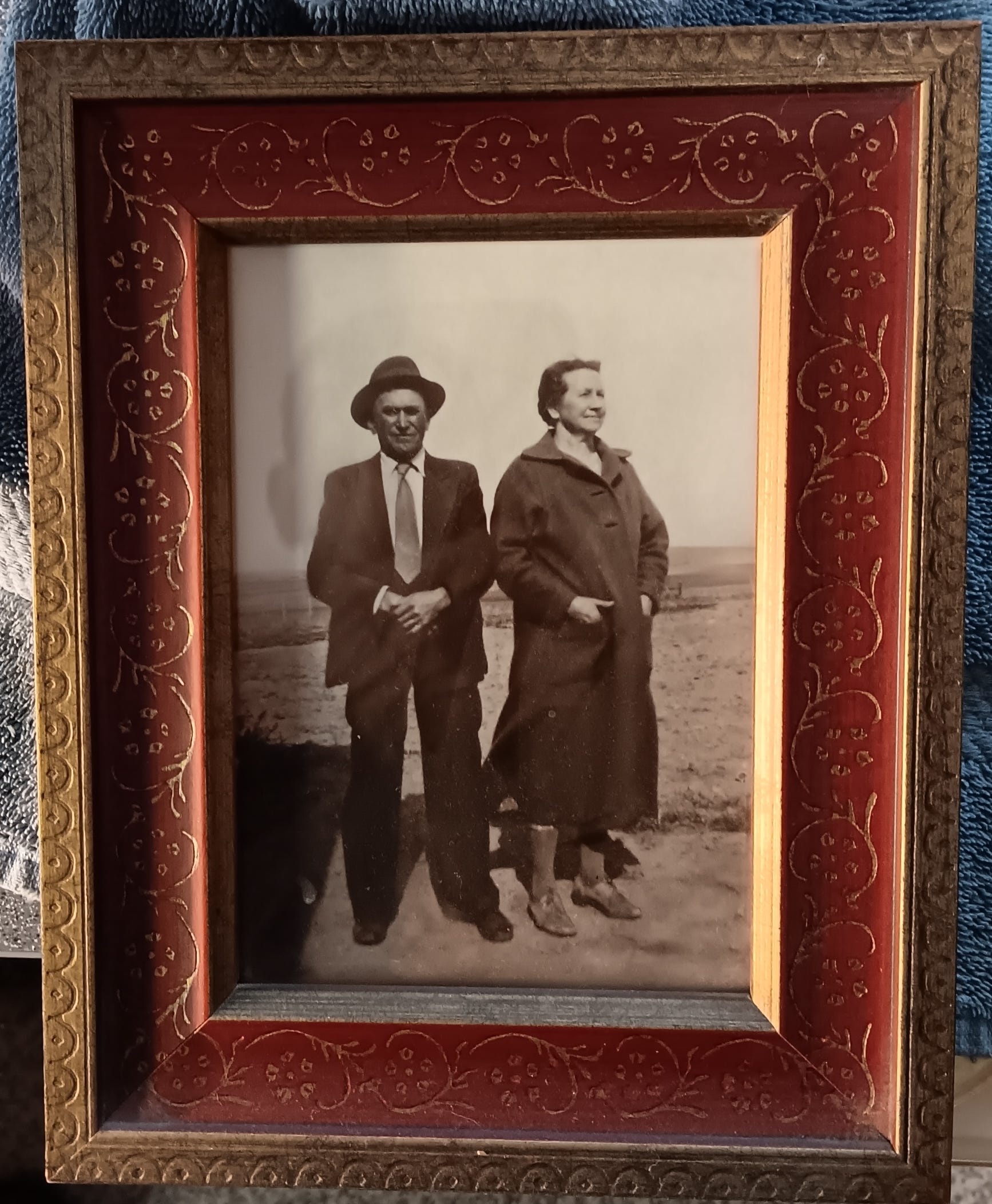
I come from a long line of “old men yelling at the wind”.
These are my grandparents, at their wheat farm in the wide open spaces of eastern Montana, in the 1940’s. My grandfather died when I was very young, and all I remember is him, shaking his fist, and shouting, “That Damn Montana Wind!”
And sure enough, Montana State University has a long history of creating windbreak literature, including this very useful graphic:
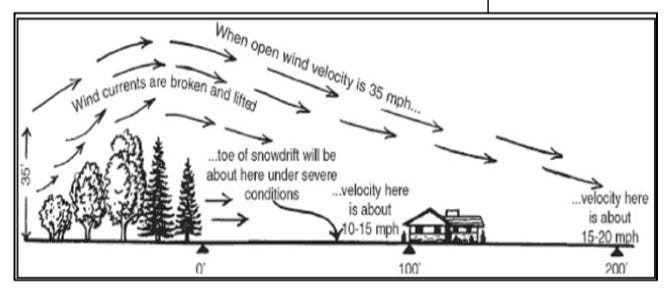
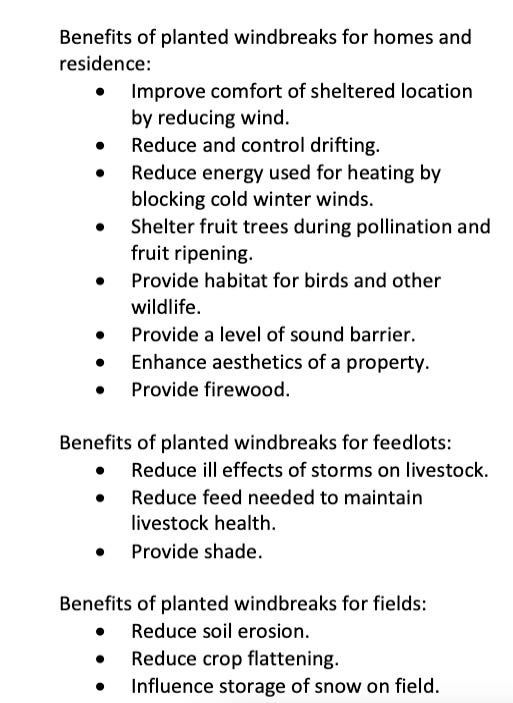
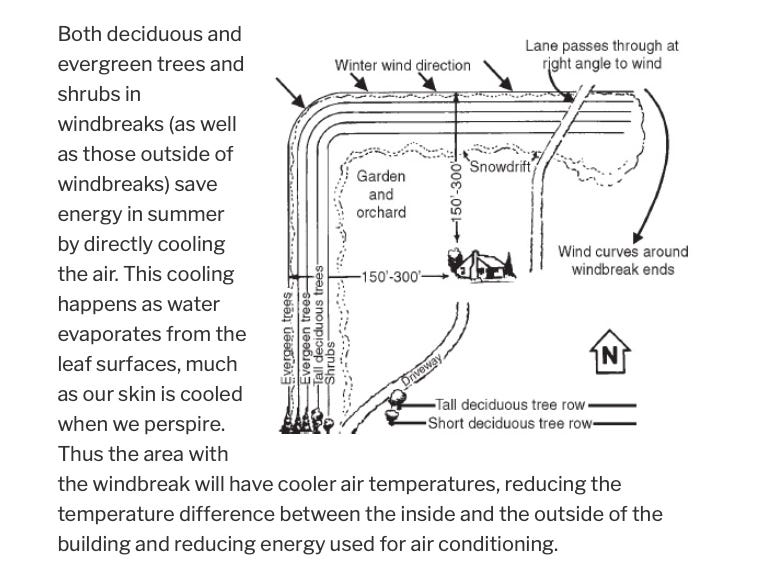
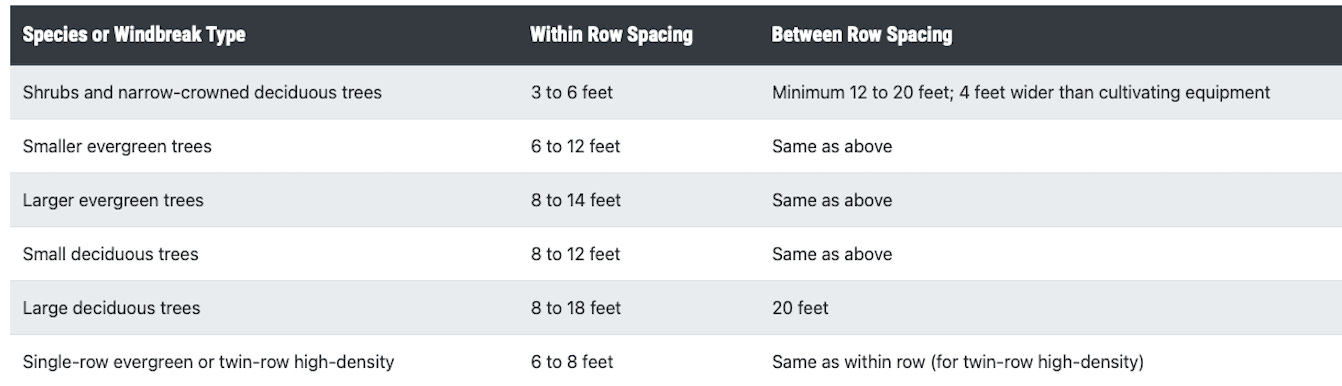
As a result of this and similar information on windbreaks, I planted six rows, stretching across several hundred feet on the south side of the property, about 280 feet from the house (Somewhere in the literature available back then indicated that the tallest row of trees would protect an area (or at least reduce the winds) 7x the height of the tallest rows of tree; thus, a row (or two) of 50-foot trees that was the tallest in the windbreak would protect an area for 350 feet. According to my garden notes from back then, I was an industrious little beaver, planting hundreds of eucalyptus and pines, all from seed, to calm the winds. Yes, we would have to be patient.
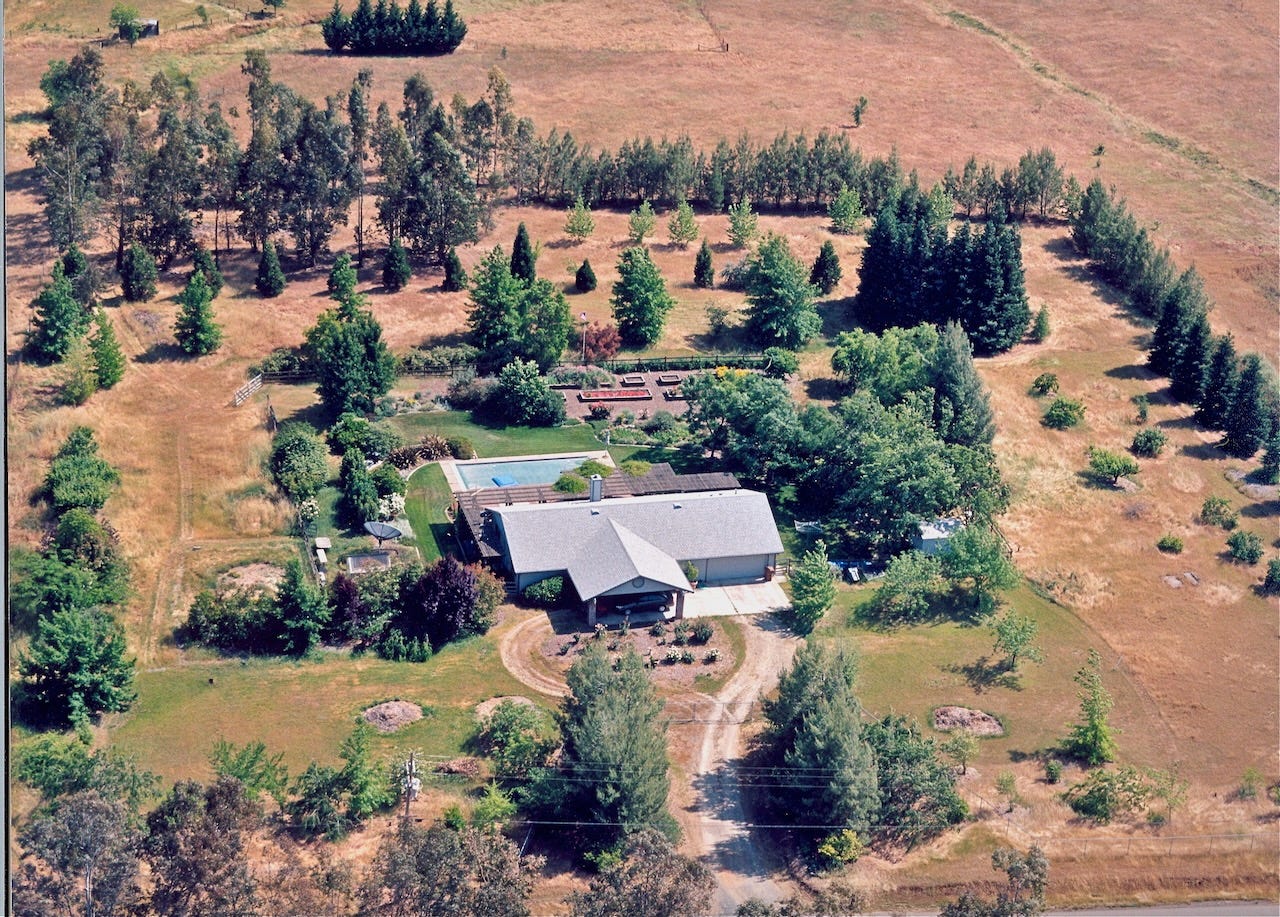
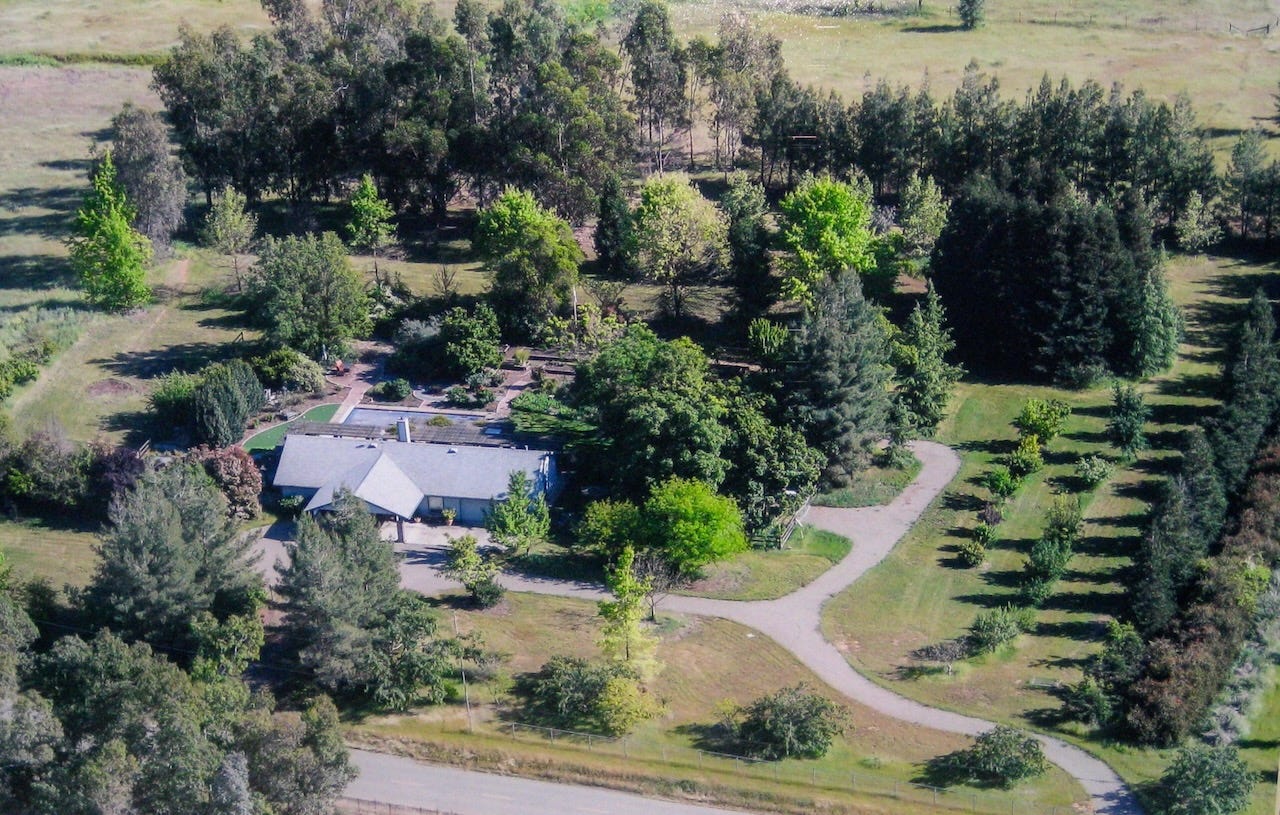
Would I do the same today? Probably not, due to the knowledge gleaned from the latest “Firescaping” websites.
What to Plant for a Windbreak? Think Local.
Choose plants of various heights that have a known track record in your area. Chances are, if you do an internet search that included the term “windbreak” and your state, you would get back links that usually have a list of suitable plants for your area.
To get you started, here are links to windbreak information for several states:
A general overview for all states from the USDA, Wyoming, Colorado, California, Missouri, Washington, Oregon, and Idaho, Great Plains States, Pennsylvania, Texas.
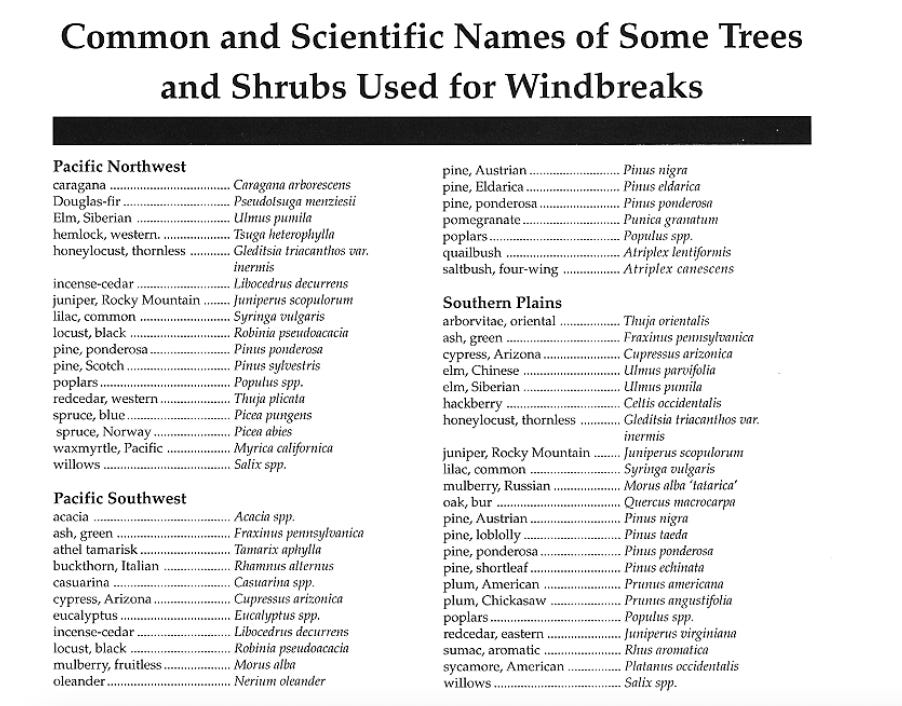
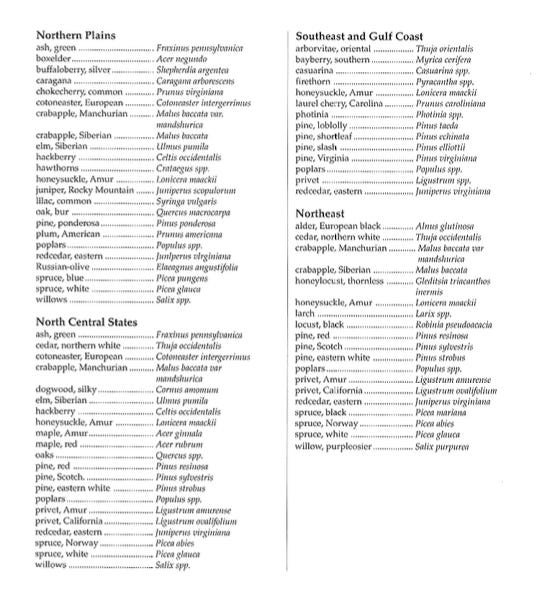
Here are regional recommendations from the USDA:
Fred Hoffman is also a University of California Cooperative Extension Master Gardener in Sacramento County. And he likes to ride his bike(s).